Details
- Home
- Details
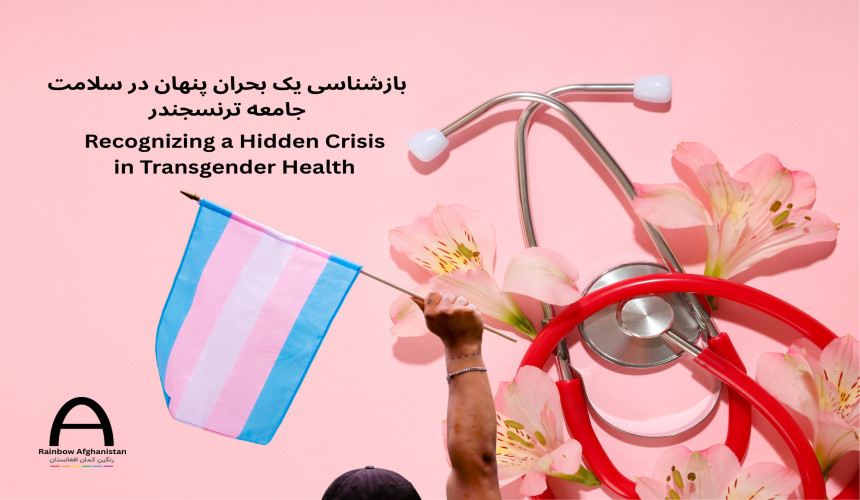
Recognizing a Hidden Crisis in Transgender Health
Today, April 18, as “National Transgender HIV Testing Day”, serves as an opportunity to raise awareness, reduce structural barriers, and promote equitable access to HIV prevention and treatment services among the transgender community.¹
National Transgender HIV Testing Day is an annual campaign observed on April 18, aimed at drawing attention to the disproportionate impact of the HIV epidemic on the transgender community—particularly transgender women—and encouraging regular HIV testing in safe and non-discriminatory environments. This day was first established in 2016 by the U.S. Centers for Disease Control and Prevention (CDC) and the Center of Excellence for Transgender Health at the University of California, San Francisco.
Extensive research has demonstrated that this population is disproportionately affected by the HIV epidemic, and that this situation is part of a deeper structural inequality within global health systems. The U.S. Centers for Disease Control and Prevention (CDC) also emphasizes in its surveillance reports that transgender women—particularly Black and Latina transgender women—experience the highest rates of HIV infection among HIV-related population groups.
Dimensions of the HIV Epidemic Among the Transgender Community
Within the framework of HIV epidemiology, several statistical realities have been widely confirmed by international health organizations:
Global prevalence:
A study published in PLOS ONE estimates the global HIV prevalence among transgender women at 19.9%. This rate is approximately 66 times higher than that of the general global population aged 15 years and older.³
Share of new diagnoses:
Data from 2019 indicate that among all newly diagnosed HIV cases within transgender populations, transgender women account for a significantly high proportion, reaching 89% (CDC HIV Surveillance Report No. 27, 2021). This statistic underscores that transgender women, due to various structural and social determinants, are at substantially higher risk of HIV infection.
Inequality in treatment outcomes:
Furthermore, data from the Ryan White program (2022) indicate that viral suppression rates among transgender women living with HIV (86%) and transgender men (87%) are significantly lower than those of cisgender women (90%) and cisgender men (90%) (AIDSVu National TransV Testing Gender HIV Day Toolkit 2024). This gap demonstrates that even individuals with access to treatment face additional barriers in achieving optimal health outcomes.⁵
Barriers to Prevention and Treatment: From Awareness to Action
From this perspective, HIV within the transgender community is not merely a medical issue but rather the outcome of a complex interaction of structural, interpersonal, and individual factors. Many transgender individuals may have high levels of awareness regarding prevention methods; however, multiple barriers prevent them from taking effective action.
A large national study of 2,504 transgender women in the United States and Puerto Rico (2023–2024) revealed a profound gap between awareness and actual use of PrEP. PrEP (Pre-Exposure Prophylaxis) is a medication that, when taken daily, reduces the risk of sexual HIV transmission by up to 99%. However, the study found that:
- 92% of participants at risk had heard of PrEP.
- Only 36% had ever used PrEP.
- Only 20% had used it regularly in the past six months.⁴
The findings clearly demonstrate that **60% of individuals who were aware of PrEP had never used it.**⁶
Structural, Interpersonal, and Individual Barriers
Public health research indicates that these barriers can be categorized at three distinct levels:
Individual barriers: Insufficient awareness, fear of drug interactions between PrEP and hormone therapy, and low perception of personal HIV risk. Many transgender women may believe that hormone use reduces their risk of HIV or that PrEP interferes with hormone therapy. However, clinical studies have shown that there are no known adverse interactions between the two.
Interpersonal barriers: Gender identity–related stigma, medical mistrust resulting from discriminatory experiences, and lack of social support. Experiences of discrimination in healthcare settings are among the most significant reasons for healthcare avoidance among transgender individuals.
Structural barriers: Limited access to transgender-competent healthcare, financial constraints and insurance coverage gaps, and homelessness. These structural factors create the most significant obstacles, and without addressing them, individual and educational interventions have limited impact.
A 2023 study of transgender and non-binary individuals attending a large hospital system in Southern California found that fewer than 5% of participants were using PrEP, while more than 75% were aware of it. This finding underscores that awareness alone is insufficient, and that multi-level interventions are required to close this gap.
Distinction from Other Conditions: Why Stigma and Discrimination Matter Most
One of the most important distinctions in discussions of HIV among transgender populations is the difference between individual behavioral risk and structural vulnerability. At a superficial level, high HIV prevalence among transgender women may be attributed to individual risk behaviors. However, extensive research demonstrates that the primary determinants are structural and social.
Homelessness and unemployment: Homelessness rates among transgender women are significantly higher than in the general population. Homelessness is associated with reduced access to healthcare, increased engagement in survival sex, and reduced ability to adhere to prevention or treatment.
Healthcare discrimination: Many transgender women report being excluded from general healthcare services or experiencing degrading treatment due to their gender identity. The UCSF Center of Excellence for Transgender Health has documented that such experiences lead to chronic medical mistrust and avoidance of healthcare services.
Lack of accurate data: In many health surveillance systems, gender identity is not properly recorded. This obscures the true scale of the crisis and undermines effective public health planning.
A key distinction between scientific approaches to HIV in transgender populations and blame-based narratives is that the former focuses on structural reform, while the latter emphasizes individual behavior change. Global evidence shows that without removing structural barriers, behavioral interventions alone have limited and short-term effects.
Identity and Structural Challenges of Transgender Individuals in Relation to HIV
Transgender individuals, particularly transgender women, encounter deeply harmful and recurring experiences in accessing HIV prevention and treatment services. These experiences, rooted in cultural, institutional, and interpersonal structures, can be categorized into three main dimensions:
1. Medical mistrust resulting from discriminatory experiences
Many transgender individuals report experiences of humiliation in healthcare settings, including misgendering, use of incorrect names or pronouns, or outright denial of care. According to the UCSF Center of Excellence for Transgender Health, these experiences contribute to chronic mistrust in healthcare systems. As a result, many transgender individuals avoid healthcare services even when they are aware of HIV prevention methods. This mistrust is particularly detrimental for prevention strategies such as PrEP, which require regular engagement with healthcare providers.
2. Pressure to conceal identity and social isolation
Social pressure to conceal transgender identity is a major driver of stress and isolation. According to CDC documentation, many transgender individuals hide their identity due to fear of rejection from family, friends, or employers. This concealment limits access to social support networks and increases vulnerability to HIV exposure. In severe cases, family rejection during adolescence leads to homelessness, which is one of the strongest predictors of HIV acquisition.
3. Lack of understanding among healthcare providers and data systems
Insufficient understanding of transgender health needs among healthcare providers remains one of the most deeply rooted barriers. The CDC clearly documents that many providers lack adequate training in gender-affirming care. This gap can result in inappropriate clinical advice (such as presumed interactions between PrEP and hormone therapy), discriminatory language, or refusal of care.
The U=U Principle and Hope for the Future
One of the most significant scientific advancements in the field of HIV is the validation of the U=U principle (Undetectable = Untransmittable). This principle states that a person who is on effective antiretroviral therapy (ART) and maintains an undetectable viral load for at least six months cannot transmit HIV to others through sexual contact. This scientific breakthrough has revolutionized efforts to reduce HIV-related stigma.
However, research indicates that awareness of the U=U principle among transgender individuals is lower than in the general population. A study conducted in Canada found that each unit increase in the social marginalization index reduces the likelihood of awareness of U=U by 21 percent. This finding highlights that access to accurate scientific information is itself shaped by structural inequalities.
Call to Action
Ultimately, what is essential is the recognition and understanding of a simple truth:
HIV among transgender communities is a preventable crisis, not an inevitable fate.
Transgender HIV Testing Day, April 18, serves as a reminder that the health inequities faced by transgender communities are not the result of individual fault, but rather the outcome of a complex interplay of structural, social, and systemic factors.
Science tells us that effective tools for HIV prevention and treatment—ranging from PrEP to antiretroviral therapy—are available. However, these tools are only effective when:
- Gender-affirming services are integrated with HIV prevention and treatment services.
- Healthcare professionals receive adequate training to provide transgender-competent and affirming care.
- Structural barriers such as homelessness, poverty, and discrimination are addressed.
- Accurate and comprehensive data is collected across all subgroups of the transgender population.
HIV testing is not a frightening act, but rather the first empowering step toward understanding one’s health status and interrupting the chain of transmission. This day is a reminder that “your identity is valid, and your health matters.”
Increased awareness, open dialogue, and a more human-centered approach can pave the way for a more equitable society—one in which transgender individuals can access healthcare without fear of discrimination and live authentically as themselves.
sources
1. **CDC (Centers for Disease Control and Prevention).** (2021). *HIV Surveillance Special Report Number 27: Diagnoses of HIV Infection in the United States and Dependent Areas, 2019*. (منبع برای آمار ۸۹٪ تشخیصهای جدید HIV در میان زنان ترنس).
2. **UCSF Center of Excellence for Transgender Health & CDC.** (2016). *Launch of National Transgender HIV Testing Day (April 18)*. (منبع برای تاریخچه و هدف روز ۱۸ آوریل).
3. **PLOS ONE.** (2021, December 1). *Global HIV Prevalence and Transmission Risks in Transgender Women: A Meta-Analysis*. (منبع برای شیوع جهانی ۱۹.۹٪ و نرخ ۶۶ برابر بیشتر از جمعیت عمومی).
4. **AIDSVu.** (2024). *National Transgender HIV Testing Day Toolkit 2024*. (منبع برای نرخ سرکوب ویروسی: ۸۶٪ در زنان ترنس در مقابل ۹۰٪ در زنان سیسجندر).
5. **Ryan White HIV/AIDS Program.** (2022). *Annual Data Report: Viral Suppression Rates by Gender Identity*. (منبع تکمیلی برای نابرابری در پیامدهای درمانی).
6. **National Study on Transgender Women in the US and Puerto Rico.** (2023-2024). *Awareness vs. Actual Use of PrEP (Pre-Exposure Prophylaxis)*.
* **یافته کلیدی:** آگاهی ۹۲٪، استفاده قبلی ۳۶٪، استفاده منظم در ۶ ماه گذشته ۲۰٪.
7. **University of California, San Francisco (UCSF).** (2023). *Structural Barriers to HIV Prevention in Transgender Populations: Mistrust and Discrimination in Healthcare Systems*.
8. **Southern California Permanente Medical Group Study.** (2023). *PrEP Use and Awareness among Transgender and Non-Binary Individuals in a Large Hospital System*.
* **یافته کلیدی:** کمتر از ۵٪ استفاده، در حالی که بیش از ۷۵٪ آگاهی داشتند.
9. **Canadian HIV Research Study.** (2023). *Social Marginalization and U=U Awareness in Transgender Communities*.
* **یافته کلیدی:** هر یک واحد افزایش در شاخص حاشیهنشینی اجتماعی، شانس آگاهی از U=U را ۲۱٪ کاهش میدهد.
10. **CDC.** (2020-2024). *Documentation of Healthcare Discrimination Experiences among Transgender Individuals and their Impact on Care Avoidance*.