Details
- Home
- Details
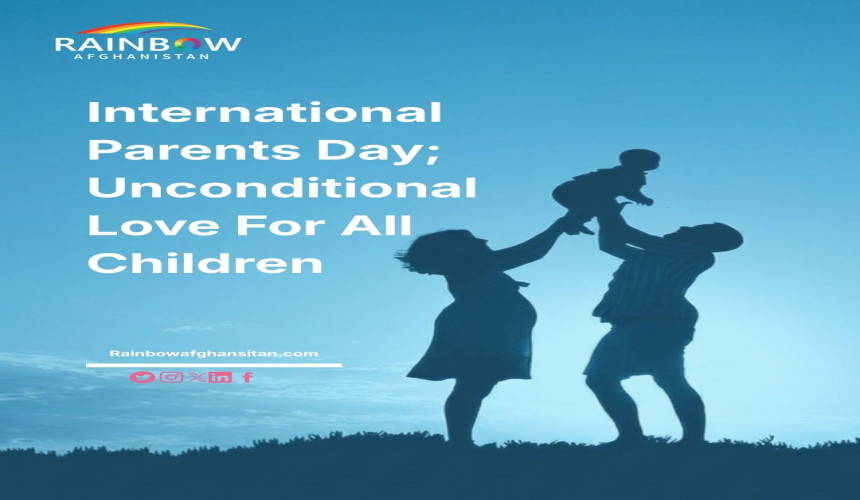
International Parents Day; Unconditional Love For All Children
In 2012, the United Nations General Assembly designated June 1 as Global Day of Parents. This day provides an opportunity to recognize and appreciate the sacrifices, dedication, and tireless efforts of parents. It also highlights the vital role parents play in nurturing, supporting, and raising children, and their lasting impact on the well-being and development of families and communities around the world.
The purpose of celebrating 'International Parents' Day' is to highlight their role in the growth, upbringing, and emotional, psychological, and financial support of children. Parents, as the main pillar of every family, can have an important and influential role in shaping and flourishing the lives of their children.
The role of parents in their children's lives extends far beyond providing basic necessities such as food, clothing, and shelter. It includes nurturing and guiding their children, offering emotional and psychological support, ensuring their safety and well-being, and helping them build a successful and fulfilling future. By showing care and affection, listening to their children's needs, interests, and feelings, and creating a supportive environment, parents can foster a strong sense of self-worth, belonging, and acceptance in their children.
Living in security, enjoying respect, and having healthy relationships are among the basic needs and rights of every LGBTQI+ individual. Everyone has the right to be seen and loved as they are. Parents are among the first people responsible for responding to these needs and providing a safe environment for their children. Every LGBTQI+ individual has the right to receive unconditional love and support from their parents, a love based on affection and acceptance that goes beyond identity, orientation, or individual characteristics.
However, in many societies where discrimination, stigma, and prejudice against LGBTQI+ individuals are deeply entrenched, families and parents often become the first source of rejection, discrimination, and violence rather than a safe and supportive space. In such environments, LGBTQI+ people are not only denied acceptance and support, but also experience emotional and psychological harm within their own homes and from those they trust most. This lack of acceptance can have profound and lasting effects on their well-being, sense of belonging, and overall quality of life.
In traditional societies like Afghanistan, most parents want their children to behave according to the expectations of society, and if their children appear contrary to the traditional norms of society, they are no longer considered worthy of love and acceptance and are always under pressure to change themselves. These conditions can create an unhealthy atmosphere between children and parents and cause many emotional and psychological problems.
One of the transgender women, in her narrative to the Rainbow Afghanistan Organization, says that her family has always tried to change her behavior and lifestyle according to their expectations and social norms. She is even prohibited from meeting her friends so that her behavior is more controlled and monitored by the family. However, these restrictions have exposed her to more stress, emotional violence, and loneliness.
Research shows that parents play a very important role in the lives of LGBTQI+ individuals. Support, acceptance, and creating a safe environment in families can promote healthy development and a sense of belonging in them. In contrast, rejection, not accepting the individual as they are, and stigmatization by the family can lead to significant emotional and psychological problems.
Rejection by family and social ostracism drive many LGBTQI+ individuals to the most marginalized and dangerous forms of survival.
One of the transgender women in her narrative says that after being rejected by her family, she was forced to work in informal child exploitation circles to meet the minimum living needs, which repeatedly exposed her to group sexual violence and left deep psychological and physical consequences.
Under Taliban rule in Afghanistan, the lives of LGBTQI+ individuals have become increasingly dangerous and restricted. In a context where social and legal protections are virtually nonexistent, the role of families and parents is more critical than ever. Families can serve as the first and last refuge for their children—a place where they are met with acceptance, support, and safety rather than rejection, discrimination, or violence. By providing a caring and supportive environment, parents can help protect the well-being, dignity, and resilience of their LGBTQI+ children in the face of immense challenges.
However, many LGBTQI+ individuals in their narratives mention the Rainbow Afghanistan Organization, their families, and parents as their first experience of rejection, violence, and pressure to conform to social norms.
Today, on Global Day of Parents, it is important to once again emphasize the vital role that parents play in creating a safe, supportive, and humane environment for their children, especially LGBTQI+ children. Parental acceptance, understanding, and care can make a profound difference in a child's well-being, helping them grow with dignity, confidence, and a sense of belonging, even in the face of social challenges and discrimination.