Details
- Home
- Details
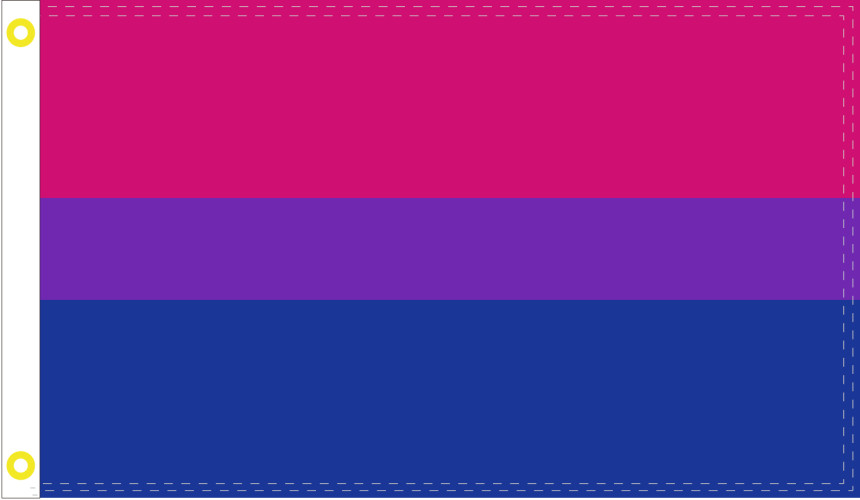
Bisexual: Understanding a Misunderstood Sexual Orientation
September 23 is observed each year as International Bisexual Visibility Day. It is an opportunity to celebrate bisexual identities, raise awareness about bisexuality, challenge common stereotypes, and promote greater understanding and recognition of bisexual people.
A bisexual1person is someone who can experience emotional, romantic, and/or sexual attraction to more than one gender. Bisexuality is a sexual orientation within the LGBTIQ+ spectrum. It does not necessarily mean being attracted to two specific genders, or being attracted to them equally. The way bisexual people experience attraction can vary from person to person, including in its type, intensity, and context.
Bi: One Word, Many Identities
Bisexual or Bi2 people are those who can experience emotional, romantic, and/or sexual attraction to more than one gender. This attraction does not necessarily happen at the same time, in the same way, or with the same intensity toward different people. Therefore, bisexuality cannot be reduced to attraction between women and men. People of any gender identity can be bisexual, and each person may experience and describe their bisexuality differently.
Bi+ is an umbrella term that can include people who experience attraction to more than one gender. It may include people who identify as bisexual, pansexual, omnisexual, queer, fluid, or use other terms to describe their experiences. People may choose different labels for themselves, and no single label can fully describe everyone’s experience.
Some people assume that because “bi” literally means “two,” bisexuality refers only to attraction to men and women and therefore reinforces the gender binary. However, the meaning of sexual orientation terms is not always limited to the literal meaning of the words. Today, bisexuality is generally understood as the capacity for emotional, romantic, and/or sexual attraction to more than one gender. It can include attraction to people of different genders, including transgender and non-binary people.
Different Identities and Orientations Within Bi+
Bisexuality can overlap with orientations such as pansexuality, omnisexuality, and polysexuality, although people may use these terms in different ways to describe themselves.
Pansexual3: The prefix “pan” comes from a Greek word meaning “all.” Pansexuality is generally understood as the capacity to experience emotional, romantic, and/or sexual attraction to people regardless of their gender, or to people of any gender. There can be significant overlap between how some people understand and describe pansexuality and bisexuality.
Omnisexual4: Omnisexuality generally refers to the capacity to experience emotional, romantic, and/or sexual attraction to people of all genders. Some people who identify as omnisexual describe gender as a factor in how they experience attraction, while others may describe their experience differently.
Polysexual5: Polysexuality refers to the capacity to experience emotional, romantic, and/or sexual attraction to people of multiple genders, but not necessarily all genders. For example, a polysexual person may experience attraction to people of several genders without experiencing attraction to every gender.
There are many terms people may use to describe their sexual and romantic orientations. Some people identify as bisexual, while others may use terms such as pansexual, omnisexual, polysexual, queer, or fluid. Some people may prefer not to use any label at all. A person may choose, change, or not use a label based on what feels right for them. And no one should be pressured to define their identity using a label chosen by someone else.
Bisexuality, Transgender, and Non-Binary Identities
Transgender6 refers to people whose gender identity differs from the gender they were assigned at birth. It is an umbrella term that encompasses a wide range of gender identities and experiences.
Non-binary7 refers to people whose gender identity does not fit entirely within the categories of “woman” or “man.” It is also an umbrella term that includes a variety of gender identities.
Gender identity and sexual orientation are two different aspects of identity. Therefore, a trans or non-binary person can be bisexual. Bisexuality does not only mean attraction to “women and men.” Bisexual people can experience emotional, romantic, and/or sexual attraction to more than one gender, and they may experience and define their bisexuality in different ways.
Bisexual people can also be attracted to trans and non-binary people. This attraction does not arise simply because someone is trans or non-binary. As with any other relationship or attraction, individual traits, personality, shared interests, and emotional connection can all play a role.
Being trans or non-binary is only one part of a person’s identity. It should not lead us to see someone solely through the lens of their gender identity. Regardless of gender identity, every person has their own unique traits, interests, personality, and experiences and deserves to be seen and accepted as a whole person, rather than through stereotypes.
The Bi+ community also includes people with diverse identities and experiences, and trans and non-binary people can be part of it. Respecting each person’s right to define their own sexual orientation and gender identity can help create a more inclusive environment, free from stereotypes and judgment.
Identity Challenges for People with Minority Sexual Orientations
People with non-heterosexual sexual orientations, those that do not align with prevailing social norms, often face shared and harmful experiences during childhood and adolescence. These experiences can arise from cultural and institutional structures, as well as from interpersonal relationships, and generally fall into three main categories:
Feeling Different
For many people, awareness of their sexual orientation begins with a sense of being different from others. According to findings from the American Psychological Association APA8, the sexual attractions that contribute to the development of a person’s sexual orientation usually emerge between middle childhood and early adolescence. Even so, some people who later identify as gay or bisexual report that they felt different from their peers before they had a relationship or a word to describe their identity. This sense of difference, especially in environments where heterosexuality is treated as the dominant norm, can raise many questions about oneself and lead to confusion and loneliness.
This experience can also be accompanied by stereotypes and misconceptions about bisexuality. Bisexual people are sometimes stereotyped as unfaithful, indecisive, incapable of maintaining stable relationships, or always wanting multiple partners at the same time. Such perceptions can make it harder for a person to understand and accept their orientation. In reality, sexual orientation alone does not determine how a person behaves in a relationship. Bisexual people, like people of any other sexual orientation, can have stable, committed, monogamous relationships.
Pressure to Marry
One significant pressure that people with minority sexual orientations may experience is the expectation from family and society to enter a heterosexual relationship and marry. According to the APA, prejudice and discrimination, along with social norms that present heterosexuality as the dominant model for relationships, can pressure people to hide their sexual orientation. In addition, the lack of social and legal acceptance of certain relationships, along with persistent stereotypes about the “naturalness” of heterosexuality, can create further psychological pressure and hardship for these individuals.
This pressure can be particularly challenging for bisexual people. In addition to the expectation from family and society to marry heterosexually, bisexual people may face the assumption that their orientation is “temporary” or that they must eventually choose between men and women. Sometimes, when a bisexual person enters a relationship with someone of a different gender, others may deny their bisexual identity and assume they are heterosexual. Similarly, if they enter a relationship with someone of the same gender, others may expect them to identify as gay or lesbian. Such pressures can lead people to hide their orientation, enter a marriage that does not reflect their wishes, or experience confusion and psychological distress.
Not Being Understood
Feeling misunderstood by family, friends, society, and even some mental health professionals can be one of the most difficult experiences for people with minority sexual orientations. Prejudice and discrimination can negatively affect their mental health and quality of life. Stereotypes such as being “sick” or “incapable of having stable relationships” can also lead people to be judged based on prejudice rather than their own lived experiences.
These misconceptions were also reflected in some medical and psychological systems in the past. For example, until 1973, homosexuality was listed as a mental disorder by the American Psychiatric Association. In 1975, the American Psychological Association adopted a resolution affirming that homosexuality is not a mental disorder or pathology. These changes illustrate how scientific and professional understanding of sexual orientation has evolved over time.
For bisexual people, being misunderstood can be particularly difficult. Misconceptions and common stereotypes mean that the identities and experiences of bisexual people often go unrecognized or are dismissed by family and society. For example, bisexuality may be dismissed as “a passing phase,” “confusion,” or a sign of infidelity.
A person’s identity may also be judged based on their current relationship: if they are with someone of a different gender, they may be assumed to be heterosexual; if they are with someone of the same gender, they may be assumed to be gay or lesbian. Such treatment can make people feel that their identity and experiences are not being taken seriously or understood.
Conclusion
Over the years, research and scientific perspectives have shown that bisexuality is a sexual orientation, not a mental disorder or illness. Nevertheless, stereotypes and misconceptions about bisexuality persist in many societies. Many bisexual people may encounter the idea that their orientation is “a passing phase,” “confusion,” or a sign of infidelity. Fear of judgment, rejection, or not being taken seriously can also lead some people to hide their orientation or avoid talking to others about their identity.
Feeling different from friends, facing repeated questions about marriage, and trying to explain an orientation that others may struggle to understand can all be part of the everyday experiences of bisexual people.
Ultimately, what matters is recognizing that bisexuality is part of the natural diversity of human sexual orientation: not a choice to be judged, not a problem to be treated, and not something that needs to be fixed.
Greater awareness, open conversations, and a humane, nonjudgmental approach can help build a more inclusive society, one in which people can express their identity and orientation freely, without fear of judgment or rejection, and be treated with respect.
Links:
- https://www.google.com/goto?url=CAEShQEB6zswFcpbDvCpC0z2Oy3vBYIKknFaARWLsxAB92y1hsrt6PCrMscmEXB43ustsd3E_sgXKOjfeq9Iw3FMGscreG0_xcQRopDf3Ncc3Vrq-ceQZ_k07wSbn6HzGWKuv1fq1ZL28VEX0tt97kUvx-bhFXgPdvIfbgJdXiDjRzUrGESKJcgQ
- https://biresource.org/bi-101/faq/
- https://www.google.com/goto?url=CAESgwEB6zswFRNdChUgbgEA9XmTMA-LwUqjVs0rF9_GG9pCy16jsWedOpBt-RVyv94PTzcH20sJB9b3y0WiBJ70b3g5SJ-C8yO0wR0MBf821wXfp8juAybfy9j_8xKHYIbcHfEu9exsZE7PWoawOo6gdWWQ93ff6DSv4cHgNycthEPZsvJknA
- https://www.google.com/goto?url=CAESegHrOzAVZ8xjPKZHfbvLRs5krtKdABjNe47aZYq43GXTcL9lEdFcduwFgy-k1qtsoz2iI4FM_NuhpUZTYopxlN-b-q-Qe16VCpQHdWo3GrA3s-lXiL5-l3NfaLShuWr_PXrmAWJzHzB5Tlxw7qrury-Au9Um-QgwdQMU
- https://www.google.com/goto?url=CAESbwHrOzAV4HFVf_2WboTJe2oc6p5-Z-h08bhSSXdDFBJSZa5lCq6SOXu4A6Gzm4g1jwEY6ieb-ClgsxGw_hyzyy33E4LcWXQ5BHFsd8igTeBE53P0IFr9fK18dHxVyTCu2_zxVhb7zWAvCvUrSSqjPA
- https://www.google.com/goto?url=CAESegHrOzAVP46D7DZ1-OMnmTBYFhXEIDPZSAZ3rPRzvO3EdVFVTQDrEXq_YUrKMd7PxC4aU4MpNCfrzW8KwUo7ro4yWOuMC_EF-NLdHoJL33SYGAabtGeBjA6aGGbA4lhMUHTODYuYSSMw3oPzoo9LEeLc5gybU233NZ2S
- https://www.google.com/aclk?sa=L&ai=DChsSEwiCzpuPjP-WAxW6s4MHHYM_D-kYACICCAIQABoCZWY&co=1&ase=2&gclid=EAIaIQobChMIgs6bj4z_lgMVurODBx2DPw_pEAMYASAAEgLmBfD_BwE&ei=P9WwaonRE77Vi-gP9baeQA&cid=CAASugHkaPzKOkGBF2CHgeJYS0Bj8WCKjHn8yeOiAkKyeSHSdgfnlFm2fQGqaPKX39tzv_vZpkb_0JNZQ61pV5JeL0vhzsaeJPMgwtiDlLUYRTvzFRTJK7tE0KqnZ1wNzdIlUZdgf0vUR5mTlbyh0ESBM-5l3_KXVp3QfxKSI4WdeU1Qa0p1AVe1ULjcYGeicMFWaTCqfOPR3WsHL9E1J6uPPWPzfPRAT4XmPBgOfUxRRnCgembqJabr4AJ0V5U&cce=2&category=acrcp_v1_32&sig=AOD64_1RJMaCEJZ9VVaMu42_vjuJAqswQg&q&sqi=2&nis=4&adurl&ved=2ahUKEwjJ7JWPjP-WAxW-6gIHHXWbBwgQ0Qx6BAhfEAE
- https://www.apa.org/topics/lgbtq/orientation